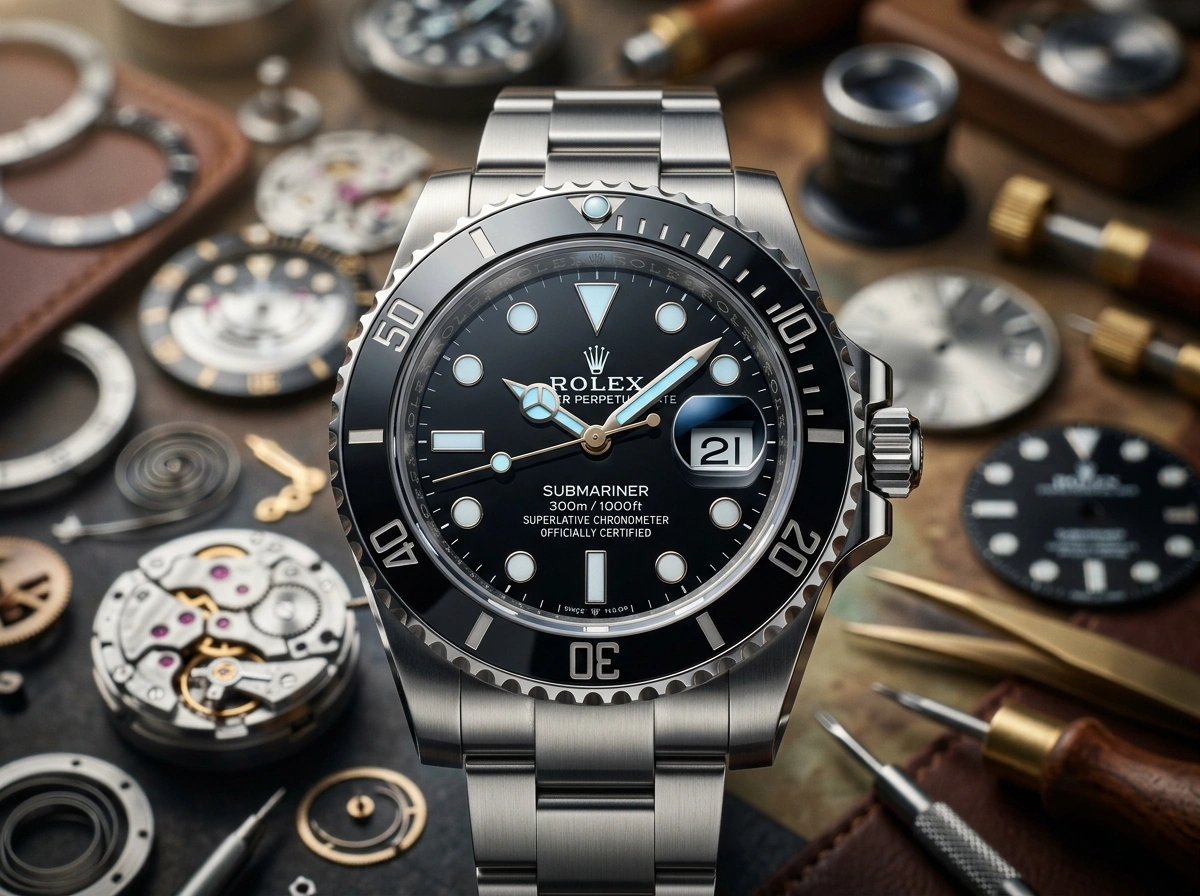
Anyone who has browsed replica watch marketplaces knows the frustration. One listing offers crisp photos, detailed movement specs, and precise measurements. The next shows a single blurry image and a one-line description. Both claim to sell the same product. So why does the quality of information swing so dramatically from one seller to another?
The answer is rarely simple. Listing accuracy depends on a web of factors, from seller expertise to manufacturing realities. Understanding these variables helps buyers read between the lines and make smarter decisions. In this article, you’ll learn the main reasons behind inconsistent listings, see real-world examples, and pick up practical ways to evaluate what you’re actually reading.
The Listing Problem No One Talks About
Most buyers assume a product description reflects the product itself. With replica watches, that assumption breaks down fast. A listing is a marketing document first and a technical record second. The gap between those two roles creates most of the confusion.
When you search for a superclone rolex, you’ll find descriptions ranging from forensic detail to vague marketing fluff. This isn’t always intentional deception. Often, it reflects how the listing was created, who created it, and what they understood about the product. Let’s break down each factor.
Seller Knowledge Varies Widely
The single biggest driver of listing quality is the seller’s own expertise. Some sellers are watch enthusiasts who understand movements, case finishing, and reference numbers. Others simply resell stock they’ve never examined closely.
A knowledgeable seller can explain the difference between a 3135 and a 2836 movement. They know which dial finishes match the genuine article and which fall short. Their listings reflect this depth.
A less informed seller copies whatever the supplier provides. If the supplier’s data is thin or wrong, that error passes straight to the customer. The seller can’t correct what they don’t understand.
Takeaway: Detailed, accurate listings usually signal a seller who handles their inventory directly and knows the product.
Manufacturing Variation Is Real
Replica production is not standardized. Different factories produce the same model with noticeable differences in quality, materials, and finishing. Even within a single factory, batches can vary.
This means a seller describing “the latest version” might be accurate one month and outdated the next. A new batch could introduce an upgraded movement or a corrected bezel font. Listings that aren’t updated quickly fall behind reality.
For example, two sellers might both advertise the same model. One sells an older batch with a known date-wheel flaw. The other sells a revised batch that fixed it. Their listings describe different products even though the model name is identical.
Takeaway: Manufacturing batches change over time, so listing details can become inaccurate without anyone lying.
Photography Quality Tells Its Own Story
Photos shape buyer perception more than any text. Yet photography standards range from professional studio shots to phone snaps under poor lighting.
High-quality images reveal genuine details: case engraving, dial texture, bracelet finishing, and lug alignment. Poor images hide flaws, sometimes by accident and sometimes on purpose. A grainy photo can disguise a misaligned bezel or a weak dial print.
Some sellers use stock images supplied by the factory. These look polished but may not represent the exact item you receive. Others photograph their actual inventory, giving a more honest preview.
Common mistake: Trusting a listing because the photos look professional.
Do this instead: Look for real, in-hand photos that show the watch from multiple angles, including weak points like the date window and crown.
Terminology Differences Create Confusion
The replica market lacks a shared vocabulary. One seller’s “superclone” is another’s “1:1” or “premium replica.” These terms have no fixed definitions, so they mean different things across listings.
This inconsistency makes direct comparison difficult. A buyer might assume two listings describe equivalent quality tiers when they don’t. Marketing language inflates expectations, while technical language sets realistic ones.
Movement descriptions show the same problem. Phrases like “Swiss-grade clone” or “super movement” sound impressive but carry no standard meaning. Without specifics, such as the actual caliber name, these terms reveal little.
Takeaway: Treat marketing labels as starting points, not guarantees. Always look for concrete specifications behind the buzzwords.
Inventory Turnover Affects Accuracy
Fast-moving inventory creates a maintenance burden. Sellers with large catalogs struggle to keep every listing current. When stock changes hands quickly, descriptions lag behind the actual products available.
A high-volume seller might list a hundred models. Updating each one for every batch change is unrealistic. So older descriptions persist even after the product has evolved. This is one reason large catalogs often contain the most outdated details.
Smaller sellers with focused inventory tend to maintain tighter accuracy. They handle fewer items and update them more carefully. The trade-off is less selection.
Takeaway: A massive catalog often means thinner accuracy per listing, while a curated selection usually means better-maintained details.
Audience Targeting Shapes the Message
Sellers write for their intended buyers. A listing aimed at first-time buyers uses simple, reassuring language. A listing aimed at experienced collectors includes technical depth those buyers expect.
This targeting explains why two listings for similar products read so differently. One emphasizes value and ease. The other emphasizes movement accuracy and finishing details. Neither is wrong; they simply serve different readers.
Recognizing the target audience helps you interpret the listing. If a description feels light on detail, it may be written for casual buyers rather than enthusiasts who demand specifics.
Takeaway: Match the listing’s depth to your own knowledge level, and seek out sellers who speak to buyers like you.
How to Read Listings More Critically
Now that you understand the factors, here’s how to apply that knowledge:
- Prioritize specifics over adjectives. Concrete details like caliber numbers and measurements beat vague praise.
- Demand in-hand photos. Real images reveal more than polished stock shots.
- Cross-reference batches. Ask sellers which version they currently stock.
- Question undefined terms. If “superclone” isn’t explained, ask what it means to that seller.
- Favor responsive sellers. A seller who answers technical questions clearly likely knows their inventory.
These habits turn an inconsistent marketplace into something you can navigate with confidence.
Conclusion
Listing accuracy varies because no single standard governs the replica market. Seller knowledge, manufacturing batches, photography, terminology, inventory size, and audience targeting all pull listings in different directions. The result is a landscape where two descriptions of the same model can look nothing alike.
The good news is that you can decode these differences. Focus on specific details, insist on genuine photos, and engage sellers who demonstrate real expertise. These steps protect you from misleading listings and help you find sellers worth trusting.
Start applying this critical eye to your next search. The more carefully you read, the better your decisions will be, and the less likely you are to be surprised by what arrives at your door.
Contents
- 1 The Listing Problem No One Talks About
- 2 Seller Knowledge Varies Widely
- 3 Manufacturing Variation Is Real
- 4 Photography Quality Tells Its Own Story
- 5 Terminology Differences Create Confusion
- 6 Inventory Turnover Affects Accuracy
- 7 Audience Targeting Shapes the Message
- 8 How to Read Listings More Critically
- 9 Conclusion
