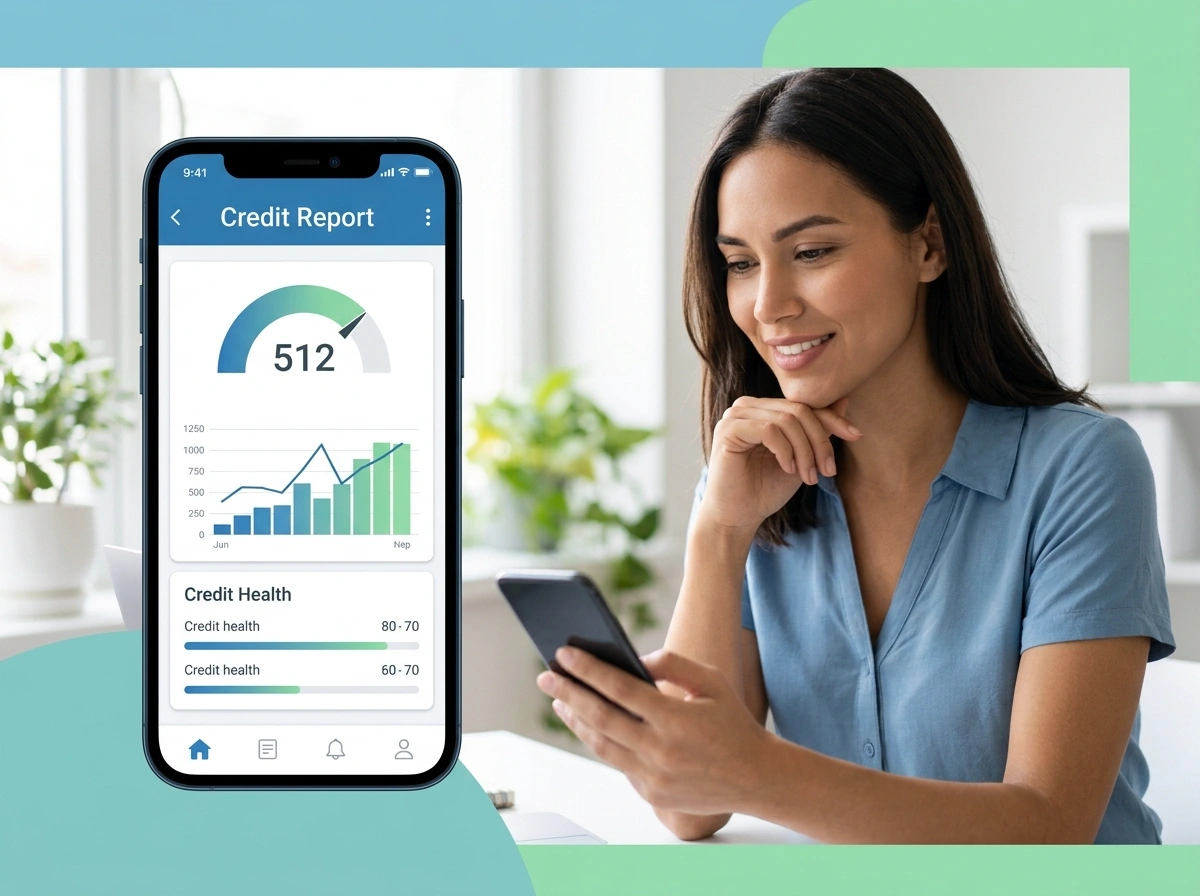
Your credit profile shapes more of your financial life than you might expect. From the interest rate on your car loan to whether a landlord approves your rental application, lenders and businesses look at your credit to decide how much they trust you. The good news? You have far more control over your credit than you may realize. With the right habits and a few helpful tools, you can steadily build a profile that opens doors instead of closing them.
This guide walks you through what a credit profile is, why it matters, the factors that move your score, and practical steps you can take starting today. We’ll also look at how a free credit link can make the whole process easier to manage.
What Is a Credit Profile?
A credit profile is the full picture of how you handle borrowed money. It includes your credit accounts, payment history, balances, and the length of time you’ve used credit. Credit bureaus collect this information and use it to calculate your credit score, a three-digit number that summarizes your creditworthiness.
Think of your credit profile as a financial reputation. Every time you pay a bill on time or carry a manageable balance, you add a positive note to your record. Miss a payment or max out a card, and that gets noted too. Over months and years, these small actions build into a story that lenders read before deciding whether to work with you.
Why Your Credit Profile Matters
A strong credit profile does more than impress lenders. It can save you real money and reduce stress in big life moments. Here’s what a healthy profile can unlock:
- Lower interest rates on mortgages, car loans, and credit cards
- Higher approval odds for loans and rental applications
- Better terms on insurance premiums in many states
- Easier access to credit when you need it most, like during an emergency
On the flip side, a weak profile can cost you thousands over the life of a loan. A borrower with excellent credit might pay far less in interest than someone with poor credit borrowing the same amount. That gap shows why building your profile is one of the smartest financial moves you can make.
Key Factors That Affect Your Credit Score
Understanding what drives your score helps you focus your energy where it counts. Most scoring models weigh these five factors:
Payment History
This is the single biggest factor. Lenders want to see that you pay your bills on time, every time. Even one late payment can leave a mark, so consistency matters most here.
Credit Utilization
This measures how much of your available credit you’re using. If you have a $10,000 limit and carry a $3,000 balance, your utilization is 30%. Lower is better. Aim to keep your usage below 30%, and under 10% is even stronger.
Length of Credit History
The longer you’ve managed credit responsibly, the better. This is why closing your oldest card can sometimes hurt your score, even if you no longer use it.
Credit Mix
Lenders like to see that you can handle different types of credit, such as credit cards, auto loans, and a mortgage. You don’t need every type, but variety can help.
New Credit Inquiries
Each time you apply for credit, it can trigger a hard inquiry that slightly lowers your score. Applying for several accounts in a short window can signal risk to lenders.
Actionable Steps to Build or Improve Your Credit Profile
Building credit isn’t about luck. It’s about steady, repeatable habits. Here are practical steps you can put into action right away.
1. Pay Every Bill on Time
Set up automatic payments or calendar reminders so you never miss a due date. Even paying the minimum keeps your account in good standing while you work toward paying more.
2. Lower Your Credit Utilization
Pay down balances where you can, and avoid charging more than you can comfortably repay. If possible, ask for a credit limit increase, which lowers your utilization ratio without requiring you to pay off debt.
3. Keep Old Accounts Open
Unless an account charges high fees, keep it open to preserve your credit history length. A small recurring charge can keep the account active.
4. Limit New Applications
Apply for new credit only when you genuinely need it. Space out applications to avoid a cluster of hard inquiries.
5. Check Your Credit Reports Regularly
Errors on credit reports are more common than people think. A mistaken late payment or an account that isn’t yours can drag down your score. Review your reports often and dispute any inaccuracies you find.
6. Build Credit Strategically
If you’re starting from scratch or rebuilding, consider a secured credit card or becoming an authorized user on a trusted family member’s account. Both can help you establish a positive track record.
How a Free Credit Link Can Help
Monitoring your progress is one of the most overlooked parts of building credit. You can’t improve what you don’t measure. That’s where a free credit link becomes a valuable tool in your journey.
A free credit link gives you a simple, no-cost way to access your credit information and keep an eye on changes over time. Instead of guessing whether your hard work is paying off, you get clear visibility into where you stand. This helps you in several ways:
- Spot progress early. Watching your score climb keeps you motivated to stick with good habits.
- Catch problems fast. If your score dips unexpectedly, you can investigate before the issue grows.
- Detect fraud. Unfamiliar accounts or sudden changes may signal identity theft, and early detection limits the damage.
- Plan major purchases. Knowing your standing helps you time loan applications for when your profile is strongest.
By making credit monitoring part of your routine, you turn a vague goal into a measurable plan. The more informed you are, the better your decisions become.
Staying Consistent for Long-Term Results
Credit building is a marathon, not a sprint. You won’t transform your profile overnight, but small, consistent actions compound into meaningful gains. Treat each on-time payment and each lowered balance as a deposit into your financial future.
It also helps to set realistic milestones. Maybe your first goal is to reach a specific score, then qualify for a better credit card, and eventually secure a mortgage with a strong rate. Celebrating these wins keeps you focused and reminds you that your effort matters.
Conclusion
A stronger credit profile puts you in control of your financial life. By understanding what affects your score, paying bills on time, managing your balances, and monitoring your progress, you build a reputation that lenders respect and reward. The journey takes patience, but every responsible choice moves you closer to your goals.
Tools make the path smoother. Using a free credit link to track your standing keeps you informed, motivated, and ready to act when opportunities arise. Start with one habit today, stay consistent, and watch your credit profile grow into one of your greatest financial assets.